
When people talk about hiring veterans, too many of them treat it like charity work. It is not. Hiring veterans is a smart business decision. Veterans bring discipline, accountability, teamwork, adaptability, and mission focus into the workplace. Those are not empty phrases. Those are the kinds of traits that help organizations stay steady, solve problems, and keep moving when things get hard. That matters in government, nonprofits, small businesses, and major companies. The data supports that point. The U.S. Bureau of Labor Statistics reported a 3.0 percent unemployment rate for veterans in 2024, and in February 2026 the rate for veterans was 3.9 percent compared with 4.3 percent for nonveterans.
One of the biggest reasons veterans make strong employees is because they already understand responsibility. In the military, showing up late, missing details, or failing to communicate can have real consequences. That mindset does not just disappear when the uniform comes off. Veterans are used to working as part of a team, operating under pressure, and figuring things out without needing constant hand holding. They also tend to bring leadership, resilience, and follow through into civilian roles. That matters in any workplace that says it wants dependable people who can adapt and perform. The VA continues to highlight leadership, teamwork, resilience, and mission focus as key strengths veterans bring into the workforce.
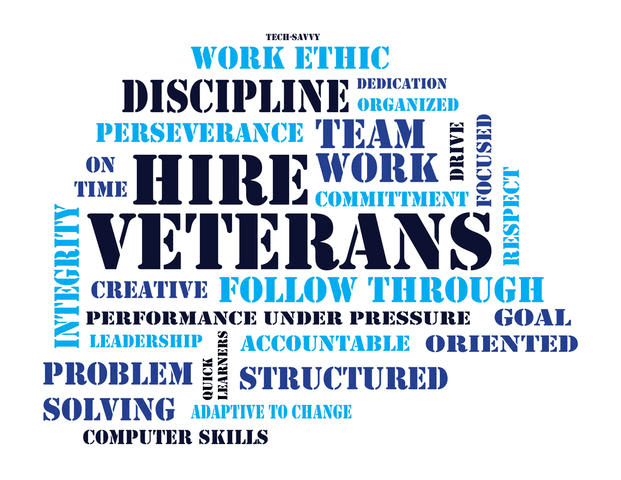
Credit: Military.com Network.
Another thing employers still get wrong is assuming veterans only fit certain jobs. That is outdated. Veterans work in operations, logistics, administration, healthcare, information technology, project management, public service, and leadership positions across the board. What they often bring is the ability to learn fast, adjust to change, and stay calm when things are not going according to plan. That is one reason Nevada should continue pushing veteran employment in a serious way. The State of Nevada has an actual veteran hiring preference process, and the Nevada Division of Human Resource Management states that veteran related preferences are applied by recruiters when proper documentation is provided. The state also runs a veteran hiring program to help veterans navigate state employment opportunities. You can read more through the State of Nevada Veteran Hiring Preference page and the State Veteran Hiring Program.
Companies should also understand that hiring veterans is not just good for the individual veteran. It can improve the culture of the organization. Veterans often strengthen standards, reliability, and trust inside a team. They know how to work with people from different backgrounds, respect the chain of command, and stay focused on the mission without always needing recognition. That does not mean every veteran is the same, and it does not mean every transition is easy. But it does mean companies should stop overlooking a talent pool that has already been tested in real environments. If employers say they want people who can lead, follow through, and perform under pressure, then they should be taking veteran hiring a lot more seriously. Nevada’s own employment resources and NDVS employment pages make that point clearly and encourage veterans to pursue state service.
At the end of the day, veterans do not need special treatment. They need fair consideration and a real opportunity. If you are an employer, take a hard look at your hiring practices and ask whether you are actually making space for veteran talent or just saying the right things. If you are in Nevada, learn how veteran hiring preference works and make sure qualified veterans are not being overlooked. If you are a veteran, do not undersell what you bring to the table. Your experience matters. Your leadership matters. Your ability to adapt, serve, and get the job done matters.
Call to action: If you are an employer, review your hiring practices and make a real effort to recruit veterans. Also, look into the NDVS Patriot Employer Program to show that commitment in a meaningful way. If you are a veteran in Nevada, check out the State of Nevada jobs site and the NDVS employment resources, then share this post with someone who needs to hear it.
Credit: Nevada Department of Veterans Services
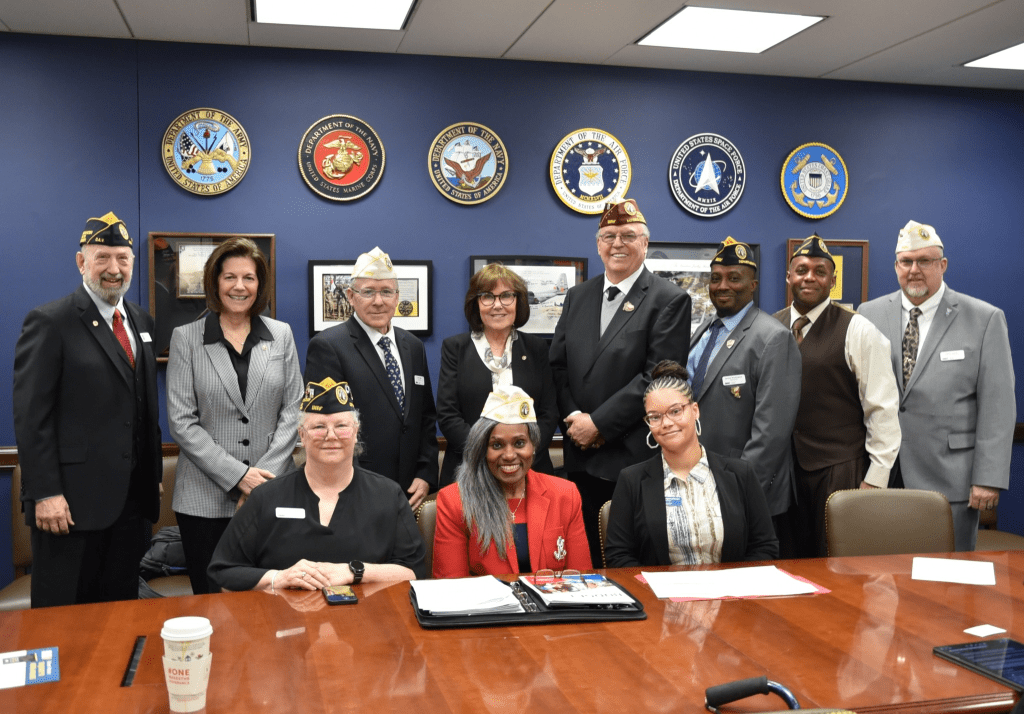
 Nevada Veterans