
A lot of veterans get out, move on with life, and never think much about joining organizations like the VFW, DAV, American Legion, Vietnam Veterans of America, AMVETS, Paralyzed Veterans of America, Iraq and Afghanistan Veterans of America, and others. I think that is a mistake. These organizations were built because veterans learned a long time ago that if we do not stay organized, connected, and engaged, our issues get pushed aside. Many of them have deep roots going back to after major wars, and they were created to fight for benefits, build community, support families, and make sure veterans still had a voice after taking the uniform off.
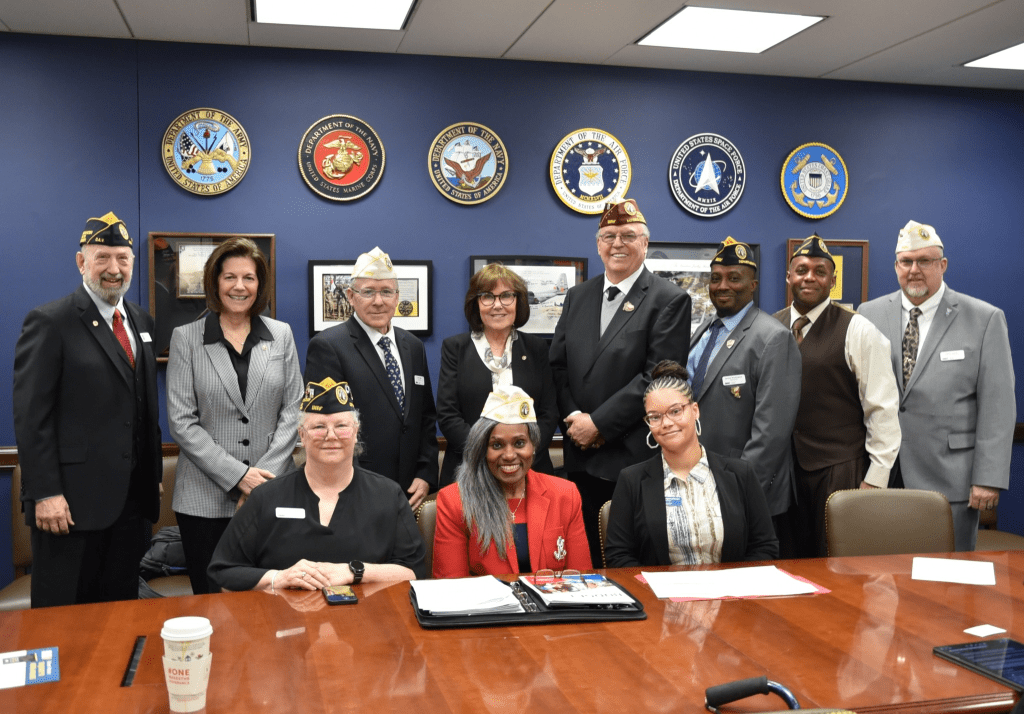
Credit: DAV Chapter #1 Reno. “Senator Catherine Cortez Masto and Senator Jacky Rosen met with Nevada DAV members to hear their stories and discuss bipartisan support for veterans to ensure all veterans get the benefits and resources they earned.“
That history still matters today, but so does the current mission. In today’s climate, veterans are dealing with benefit delays, mental health struggles, rising costs, isolation, transition problems, and too many people trying to profit off veterans who just need honest help. Organizations like the VFW and American Legion continue to use their size and structure to advocate on Capitol Hill and in local communities. DAV remains heavily focused on helping disabled veterans and their families access earned benefits and live with dignity, while VVA continues broader veteran advocacy and fellowship, especially for Vietnam era veterans. AMVETS serves veterans more broadly, PVA focuses on veterans with spinal cord injuries, diseases, and disability access, and IAVA has built its identity around post 9/11 veterans and policy engagement.
What I think people miss is that these groups are not just social clubs from a different generation. At their best, they are force multipliers. They create local posts, chapters, and networks where veterans can find people who understand the job, the transition, and the long game of advocacy. They also help preserve a culture of service. Some focus more on claims and benefits help, some focus more on legislative advocacy, some focus on family support, and some focus on community service or specific eras of service, but all of them give veterans a way to stay connected to something bigger than themselves.
Joining is usually straightforward, but eligibility depends on the organization. The VFW generally requires qualifying overseas or combat related service. The American Legion and AMVETS have broader eligibility tied to honorable service, with AMVETS also open to current service members. DAV is centered on injured and ill veterans, VVA is for those who served during the Vietnam era, PVA is for eligible veterans with spinal cord injury or disease, and IAVA invites post 9/11 veterans to join its movement and advocacy efforts. The point is not that every veteran has to join every group. The point is that veterans should find the one that fits their service, their needs, and the kind of impact they want to make.
Call to action: If you are a veteran and you have never joined one of these organizations, now is a good time to reconsider that. Strong veteran communities do not build themselves. They are built by veterans who stay involved, show up, help the next person, and protect what was earned for the generation behind them. Look into the VFW, DAV, VVA, American Legion, AMVETS, PVA, IAVA, MOPH, and other credible veteran organizations in your area. Join one, attend a meeting, ask questions, and get back in the fight in a different way.

 Nevada Veterans