
Why a Nevada Veteran License Plate Matters

A Nevada veteran license plate is more than just something that looks good on your vehicle. It is a simple way to show pride in your service or your family’s connection to service, while also helping support veterans across our state. On the Nevada DMV Veteran License Plates page, veteran plates are available for veterans, their families, and active duty members of the Nevada National Guard, and any veteran or their spouse, parent, or child may purchase a veteran license plate.
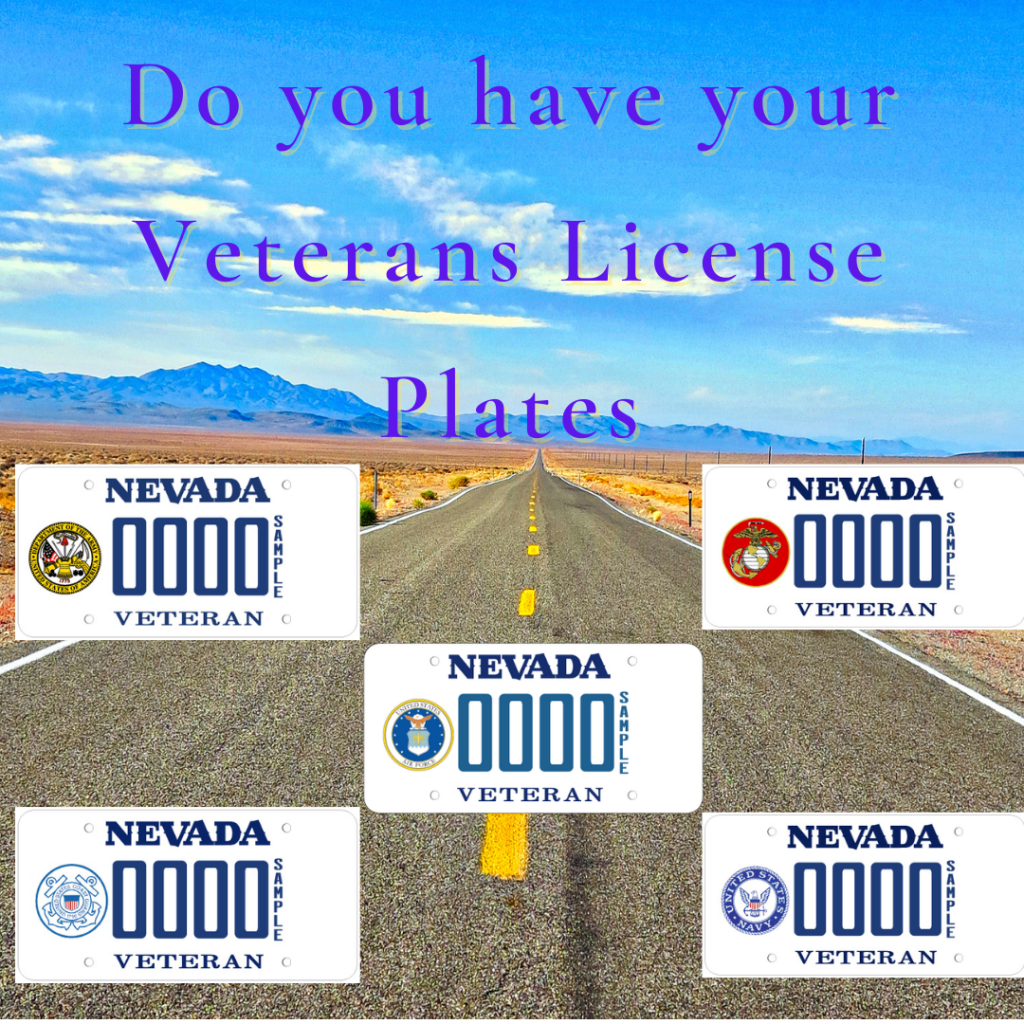
A Nevada veteran license plate is more than a symbol of service. It is also one more way to support veterans and their families across our state.” Credit: NDVS

What makes these plates even more meaningful is where part of the money goes. The Nevada DMV explains that $25 of the initial fee and $20 of the annual renewal supports outreach programs and services for veterans and their families administered by the Nevada Department of Veterans Services. NDVS also explains that these fees help provide community outreach and service support to veterans in Nevada. That means when someone chooses a veteran plate, they are not just recognizing military service, they are helping support work that reaches veterans and families in real ways.

I think that matters because sometimes people want to help veterans, but they are not always sure how. This is one of those easy, practical ways to do it. A veteran plate shows pride, starts conversations, and helps support services for veterans and their families here in Nevada. It is a small choice, but it can still make a difference. And when more people understand that these plates help support veterans, it becomes more than just a specialty plate. It becomes one more way to give back. The DMV says these plates must be ordered in person at a DMV office, so it is a good idea to review the plate options and requirements before you go.

At the end of the day, Nevada veterans deserve support that is visible, practical, and community driven. Something as simple as a license plate may not seem like much at first, but it is one more way to stand behind those who served.

Call to Action: If you are eligible for a Nevada veteran plate, consider getting one the next time you register or renew your vehicle. And even if you are not, share this post so more people understand that choosing a veteran plate is one more way to support Nevada veterans and their families.

Transitioning Home: What Nevada Veterans Should Do in the First Year After Service

The first year after leaving the military is a big one. For a lot of veterans, it is exciting, but it can also be stressful, confusing, and full of unknowns. You are trying to figure out work, school, healthcare, benefits, and what life is going to look like moving forward. My biggest advice is simple: do not wait. Start getting connected early. If you still have 180 to 90 days left before separation, look into filing a Benefits Delivery at Discharge (BDD) claim, because VA says that can help speed up the disability claims process and get your benefits moving sooner. If you are coming home to Nevada, Nevada Veterans Service Officers are a great places to start. Ask a VSO here!

One of the first things veterans should do is get squared away on healthcare and benefits. If you are eligible, get enrolled in VA health care and sit down with an accredited VSO who can help you understand what you may qualify for and how to file the right way. This is also the time to learn about Nevada specific benefits that people often overlook. NDVS says many Nevada veterans and surviving spouses may qualify for a veterans tax exemption that can be applied to property taxes or vehicle governmental service tax, but it is not automatic, so veterans need to contact their County Assessor’s office to determine eligibility and apply it the right way.

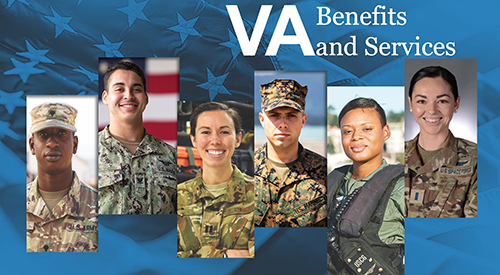
The transition home starts with getting connected to the benefits and services you earned through your service.” Credit: Your Transition Assistance Program – VA

The next big step is having a real plan for school, training, or work. A lot of veterans have earned benefits like the GI Bill , but not everyone takes the time to use them in a way that supports long term goals. GI Bill benefits can help pay for school and cover expenses while training for a job, and the pre-discharge process also points veterans toward other federal benefits like VA home loan eligibility and Veteran Readiness and Employment (VR&E) when applicable. On the state side, Nevada also has education resources for veterans, including information on resident tuition rules and other education programs, and employment help through the Nevada Department of Employment, Training and Rehabilitation Veteran Services page. DETR – Veteran Services

Most importantly, do not try to do everything on your own. There is nothing weak about asking for help during transition. In fact, it is one of the smartest things you can do. The first year after service can shape a lot about what comes next, and getting connected early can help you avoid bigger problems down the road. Whether it is a BDD claim, healthcare enrollment, property tax exemptions, education benefits, employment support, or just knowing where to start, there are real resources out there for Nevada veterans and their families.

Call to Action: If you know a veteran who is transitioning out of the military, share this post with them. Encourage them to get connected early, reach out to a VSO, and take advantage of the benefits they earned through their service before opportunities get missed.

Why Nevada Needs More Accredited Veterans Service Officers

Nevada’s veterans deserve more than good intentions. They deserve real access to real help from trusted, accredited professionals who know how to guide them through the VA claims process the right way. That is exactly what Veterans Service Officers do. VSOs help veterans and their families access earned benefits by preparing, filing, and tracking VA claims, assisting with appeals, and connecting them to the right resources along the way. NDVS VSOs

The problem is simple. There are too many veterans who need help, and not enough accredited VSOs across the state to meet that need the way we should. When veterans cannot get timely access to a trusted VSO, some of them may end up turning to the wrong people out of frustration, confusion, or desperation. That is where claim predators come in. VA has warned veterans to stay away from unaccredited individuals and companies that try to profit off disability claims, and VA makes clear that accredited representatives are the right and trusted path.

Nevada veterans can get free help from accredited VSOs and should never have to pay claim sharks to access earned benefits.” Credit: Beware: Claims predators want to prey on your benefits

This matters because accredited help is not just better, it is how the system is supposed to work. VA states that accredited VSO representatives can help gather evidence, file claims, request decision reviews, and communicate with VA on a veteran’s behalf, and those services are FREE. VA also states that without accreditation, a person may not independently assist claimants in the preparation, presentation, and prosecution of VA benefit claims. That means when we invest in more VSOs, we are not just expanding staffing. We are expanding lawful, ethical, no cost access to benefits assistance for Nevada’s veterans and families.

If Nevada is serious about serving its heroes, then we need to fund more Veterans Service Officers across this state. We need more accredited help in our communities, more access for rural veterans, more support for families, and fewer opportunities for claim predators to take advantage of people who have already sacrificed enough. Our veterans earned these benefits through service, and they deserve the chance to access them the right way.

Call to Action: if you believe in that mission, speak up. Share this post, talk to your local leaders, and urge community partners and legislators to fund more VSOs across Nevada. Our veterans deserve it.

How the Veterans Benefits System Really Works in Nevada

The veterans benefits system can feel confusing, slow, and frustrating, especially if you are approaching it for the first time. In Nevada, many veterans assume the process is different from other states or that benefits are automatically granted based on service alone. The reality is that the system is federal, rule driven, and evidence based, regardless of where you live. Understanding how it actually works is the first step toward setting realistic expectations and avoiding unnecessary frustration.

The claims process starts with an application, but filing a claim is only the beginning. Veterans must clearly identify what they are claiming, connect it to military service, and support it with medical and service records. A common misconception is that the VA will “find everything for you,” when in reality the burden of proof largely rests on the veteran. Strong, well prepared claims tend to move more smoothly than rushed or incomplete submissions.

After a claim is filed, veterans should expect a period of waiting that can range from months to longer, depending on complexity. Requests for exams, additional evidence, or clarification are normal and do not mean something has gone wrong. Many claims are decided in stages, with some conditions granted, others deferred, or some denied. Denials are not the end of the road, but part of a system that allows for appeals and supplemental evidence.

In Nevada, accredited assistance matters more than many veterans realize. Working with trained, accredited Veterans Service Officers helps ensure claims are accurate, complete, and strategically filed. Veterans who rely on unaccredited help or paid claim services often face delays or long term issues that could have been avoided. The system rewards preparation, patience, and informed advocacy, not shortcuts.

If this post helped clarify how the system really works, I invite you to follow the blog, share it with another veteran, or leave a comment with questions you would like covered next. The goal of this space is to replace confusion with clarity and help Nevada veterans make informed decisions about their benefits and their future.