
Why Veterans Make Good Employees and Why More Companies Should Hire Them

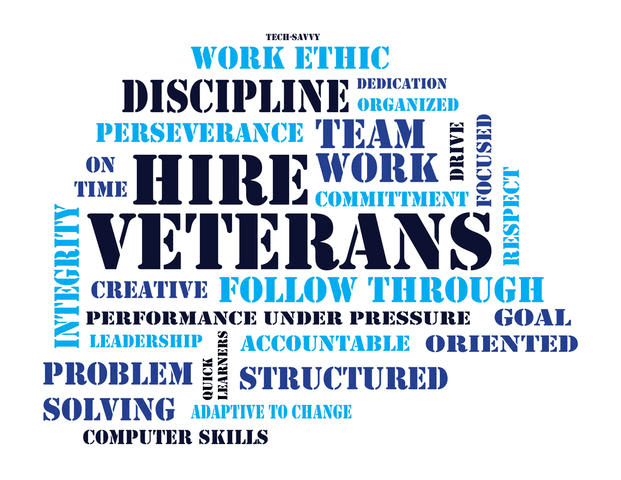
When people talk about hiring veterans, too many of them treat it like charity work. It is not. Hiring veterans is a smart business decision. Veterans bring discipline, accountability, teamwork, adaptability, and mission focus into the workplace. Those are not empty phrases. Those are the kinds of traits that help organizations stay steady, solve problems, and keep moving when things get hard. That matters in government, nonprofits, small businesses, and major companies. The data supports that point. The U.S. Bureau of Labor Statistics reported a 3.0 percent unemployment rate for veterans in 2024, and in February 2026 the rate for veterans was 3.9 percent compared with 4.3 percent for nonveterans.

One of the biggest reasons veterans make strong employees is because they already understand responsibility. In the military, showing up late, missing details, or failing to communicate can have real consequences. That mindset does not just disappear when the uniform comes off. Veterans are used to working as part of a team, operating under pressure, and figuring things out without needing constant hand holding. They also tend to bring leadership, resilience, and follow through into civilian roles. That matters in any workplace that says it wants dependable people who can adapt and perform. The VA continues to highlight leadership, teamwork, resilience, and mission focus as key strengths veterans bring into the workforce.
Credit: Military.com Network.

Another thing employers still get wrong is assuming veterans only fit certain jobs. That is outdated. Veterans work in operations, logistics, administration, healthcare, information technology, project management, public service, and leadership positions across the board. What they often bring is the ability to learn fast, adjust to change, and stay calm when things are not going according to plan. That is one reason Nevada should continue pushing veteran employment in a serious way. The State of Nevada has an actual veteran hiring preference process, and the Nevada Division of Human Resource Management states that veteran related preferences are applied by recruiters when proper documentation is provided. The state also runs a veteran hiring program to help veterans navigate state employment opportunities. You can read more through the State of Nevada Veteran Hiring Preference page and the State Veteran Hiring Program.

Companies should also understand that hiring veterans is not just good for the individual veteran. It can improve the culture of the organization. Veterans often strengthen standards, reliability, and trust inside a team. They know how to work with people from different backgrounds, respect the chain of command, and stay focused on the mission without always needing recognition. That does not mean every veteran is the same, and it does not mean every transition is easy. But it does mean companies should stop overlooking a talent pool that has already been tested in real environments. If employers say they want people who can lead, follow through, and perform under pressure, then they should be taking veteran hiring a lot more seriously. Nevada’s own employment resources and NDVS employment pages make that point clearly and encourage veterans to pursue state service.

At the end of the day, veterans do not need special treatment. They need fair consideration and a real opportunity. If you are an employer, take a hard look at your hiring practices and ask whether you are actually making space for veteran talent or just saying the right things. If you are in Nevada, learn how veteran hiring preference works and make sure qualified veterans are not being overlooked. If you are a veteran, do not undersell what you bring to the table. Your experience matters. Your leadership matters. Your ability to adapt, serve, and get the job done matters.

Call to action: If you are an employer, review your hiring practices and make a real effort to recruit veterans. Also, look into the NDVS Patriot Employer Program to show that commitment in a meaningful way. If you are a veteran in Nevada, check out the State of Nevada jobs site and the NDVS employment resources, then share this post with someone who needs to hear it.
Credit: Nevada Department of Veterans Services
Transitioning Home: What Nevada Veterans Should Do in the First Year After Service

The first year after leaving the military is a big one. For a lot of veterans, it is exciting, but it can also be stressful, confusing, and full of unknowns. You are trying to figure out work, school, healthcare, benefits, and what life is going to look like moving forward. My biggest advice is simple: do not wait. Start getting connected early. If you still have 180 to 90 days left before separation, look into filing a Benefits Delivery at Discharge (BDD) claim, because VA says that can help speed up the disability claims process and get your benefits moving sooner. If you are coming home to Nevada, Nevada Veterans Service Officers are a great places to start. Ask a VSO here!

One of the first things veterans should do is get squared away on healthcare and benefits. If you are eligible, get enrolled in VA health care and sit down with an accredited VSO who can help you understand what you may qualify for and how to file the right way. This is also the time to learn about Nevada specific benefits that people often overlook. NDVS says many Nevada veterans and surviving spouses may qualify for a veterans tax exemption that can be applied to property taxes or vehicle governmental service tax, but it is not automatic, so veterans need to contact their County Assessor’s office to determine eligibility and apply it the right way.

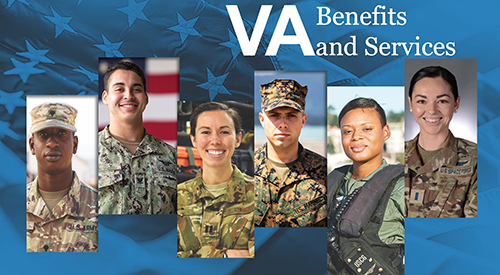
The transition home starts with getting connected to the benefits and services you earned through your service.” Credit: Your Transition Assistance Program – VA

The next big step is having a real plan for school, training, or work. A lot of veterans have earned benefits like the GI Bill , but not everyone takes the time to use them in a way that supports long term goals. GI Bill benefits can help pay for school and cover expenses while training for a job, and the pre-discharge process also points veterans toward other federal benefits like VA home loan eligibility and Veteran Readiness and Employment (VR&E) when applicable. On the state side, Nevada also has education resources for veterans, including information on resident tuition rules and other education programs, and employment help through the Nevada Department of Employment, Training and Rehabilitation Veteran Services page. DETR – Veteran Services

Most importantly, do not try to do everything on your own. There is nothing weak about asking for help during transition. In fact, it is one of the smartest things you can do. The first year after service can shape a lot about what comes next, and getting connected early can help you avoid bigger problems down the road. Whether it is a BDD claim, healthcare enrollment, property tax exemptions, education benefits, employment support, or just knowing where to start, there are real resources out there for Nevada veterans and their families.

Call to Action: If you know a veteran who is transitioning out of the military, share this post with them. Encourage them to get connected early, reach out to a VSO, and take advantage of the benefits they earned through their service before opportunities get missed.

Peace of Mind for Nevada’s Veterans: State Cemeteries and Veterans Homes

Nevada takes care of its veterans in more ways than most people realize, and two of the biggest examples are NDVS’s state veterans cemeteries and state veterans homes. These are not just facilities, they are long term promises of dignity, honor, care, and peace of mind for veterans and their families. When families know there is a trusted place for final honors, and a trusted place for skilled long term care if life requires it, it removes a lot of uncertainty. That is why I think these resources deserve more attention, because they are part of how Nevada truly “shows up” for its heroes.

Nevada operates two state veterans cemeteries, one in Fernley and one in Boulder City, and both exist to ensure veterans receive a respectful, permanent resting place and earned military honors. These cemeteries also support families through a difficult time by providing structure, guidance, and a clear process when things feel overwhelming. Just as important, NDVS offers pre registration, which lets eligibility be determined ahead of time, so families are not scrambling later. If you want to learn more or pre register, start here: Northern Nevada Veterans Memorial Cemetery (Fernley) https://veterans.nv.gov/benefits-and-services/northern-nevada-veterans-memorial-cemetery/ and the Online Cemetery Registration Form https://veterans.nv.gov/online-cemetery-registration-form/.

On the care side, NDVS also operates two state veterans homes, which provide skilled nursing and supportive services for eligible veterans (and in some cases eligible family members), with the goal of quality of life, safety, and dignity. In Northern Nevada, the Northern Nevada State Veterans Home in Sparks offers skilled nursing and rehabilitation in a setting designed to feel like home, not an institution. In Southern Nevada, the Southern Nevada State Veterans Home in Boulder City provides skilled nursing, programs, and specialized care options, including support for residents with Alzheimer’s and dementia needs. You can read more about each here: Northern Nevada State Veterans Home (Sparks) https://veterans.nv.gov/benefits-and-services/northern-nevada-state-veterans-home-sparks-nv/ and Southern Nevada State Veterans Home (Boulder City) https://veterans.nv.gov/benefits-and-services/southern-nevada-state-veterans-home-boulder-city-nv/.

What I appreciate most about these resources is the peace of mind they create. Families do not have to guess where to turn, and veterans do not have to wonder if they will be cared for with respect when they need help the most. These services also reinforce something I believe strongly: veteran support is not only about benefits claims, it is about building systems that protect people across every stage of life. If you want a simple “hub” page to share with someone, NDVS lists both homes here as well: https://veterans.nv.gov/state-veterans-homes/.

Call to action: take 10 minutes this week and pre register for cemetery eligibility, then tell your spouse, adult children, or a trusted friend where you saved the confirmation and documents. Share these links with a veteran you know, because most people only learn about these resources when they are already in crisis mode. If you see a veteran, start the conversation, and help them plan with confidence instead of waiting for a hard day to force the issue.

The Future of Veteran Advocacy in Nevada Starts in Rural Communities

Nevada has a strong veteran community, but the future of veteran advocacy is going to be defined by how well we serve rural Nevada, not just our biggest population centers. In many of our rural counties, the barriers are not complicated, they are practical: long distances, limited transportation options, and fewer nearby providers. When a veteran has to drive hours for an appointment, or cannot reliably get to a clinic at all, access is not really access. That gap is exactly where advocacy matters most, because one good connection can turn confusion and isolation into a real path forward.

Rural veterans also face a resource reality that looks very different than Northern and Southern Nevada. Specialty care can be harder to find, local services can be limited, and even basic navigation can feel overwhelming when there is no nearby support network to lean on. Transportation becomes a healthcare issue, not just a logistics issue, and that is why programs that help veterans get to appointments are so important. If you are looking for starting points, NDVS has transportation resources gathered in one place, and the VA also has a broader Veterans Transportation Program overview that explains common options available. Here are two helpful references: NDVS Transportation Resources and File And Manage Travel Reimbursement Claims.

The opportunity in Nevada is that locals can help fill the rural gap in a way that is sustainable and community driven. NDVS has an incredible Nevada Veteran Advocate initiative, and NDVS is relaunching this program to strengthen how veterans are supported at the community level. When people in rural communities know how to spot needs, share accurate information, and connect veterans to the right professionals, it multiplies our reach without waiting for the perfect conditions. To learn what an NV Advocate does and why it matters, check out: Nevada Veterans Advocates (NV Advocates).

We also have a real chance to expand virtual advocacy, because the right tools can reduce travel barriers and bring support closer to home. Telehealth is a big part of that, especially for rural veterans who may not have easy access to care locally, and the VA continues to expand virtual care options. If you want to understand what is available, start here: VA Telehealth Services.

Call to action: sign up and take the NDVS NVA courses, keep an eye out for the Nevada Veteran Advocate relaunch, and stay in the loop by joining the NDVS monthly newsletter here: Sign up for the NDVS Newsletter. And if you see a veteran, start the conversation, because when armed with the right tools and resources, anyone can be an advocate for Nevada’s heroes.