
The first year after leaving the military is a big one. For a lot of veterans, it is exciting, but it can also be stressful, confusing, and full of unknowns. You are trying to figure out work, school, healthcare, benefits, and what life is going to look like moving forward. My biggest advice is simple: do not wait. Start getting connected early. If you still have 180 to 90 days left before separation, look into filing a Benefits Delivery at Discharge (BDD) claim, because VA says that can help speed up the disability claims process and get your benefits moving sooner. If you are coming home to Nevada, Nevada Veterans Service Officers are a great places to start. Ask a VSO here!
One of the first things veterans should do is get squared away on healthcare and benefits. If you are eligible, get enrolled in VA health care and sit down with an accredited VSO who can help you understand what you may qualify for and how to file the right way. This is also the time to learn about Nevada specific benefits that people often overlook. NDVS says many Nevada veterans and surviving spouses may qualify for a veterans tax exemption that can be applied to property taxes or vehicle governmental service tax, but it is not automatic, so veterans need to contact their County Assessor’s office to determine eligibility and apply it the right way.
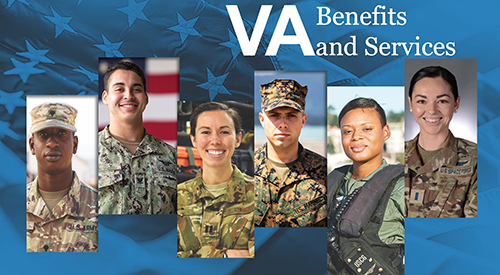
“The transition home starts with getting connected to the benefits and services you earned through your service.” Credit: Your Transition Assistance Program – VA
The next big step is having a real plan for school, training, or work. A lot of veterans have earned benefits like the GI Bill , but not everyone takes the time to use them in a way that supports long term goals. GI Bill benefits can help pay for school and cover expenses while training for a job, and the pre-discharge process also points veterans toward other federal benefits like VA home loan eligibility and Veteran Readiness and Employment (VR&E) when applicable. On the state side, Nevada also has education resources for veterans, including information on resident tuition rules and other education programs, and employment help through the Nevada Department of Employment, Training and Rehabilitation Veteran Services page. DETR – Veteran Services
Most importantly, do not try to do everything on your own. There is nothing weak about asking for help during transition. In fact, it is one of the smartest things you can do. The first year after service can shape a lot about what comes next, and getting connected early can help you avoid bigger problems down the road. Whether it is a BDD claim, healthcare enrollment, property tax exemptions, education benefits, employment support, or just knowing where to start, there are real resources out there for Nevada veterans and their families.
Call to Action: If you know a veteran who is transitioning out of the military, share this post with them. Encourage them to get connected early, reach out to a VSO, and take advantage of the benefits they earned through their service before opportunities get missed.
 Nevada Veterans